

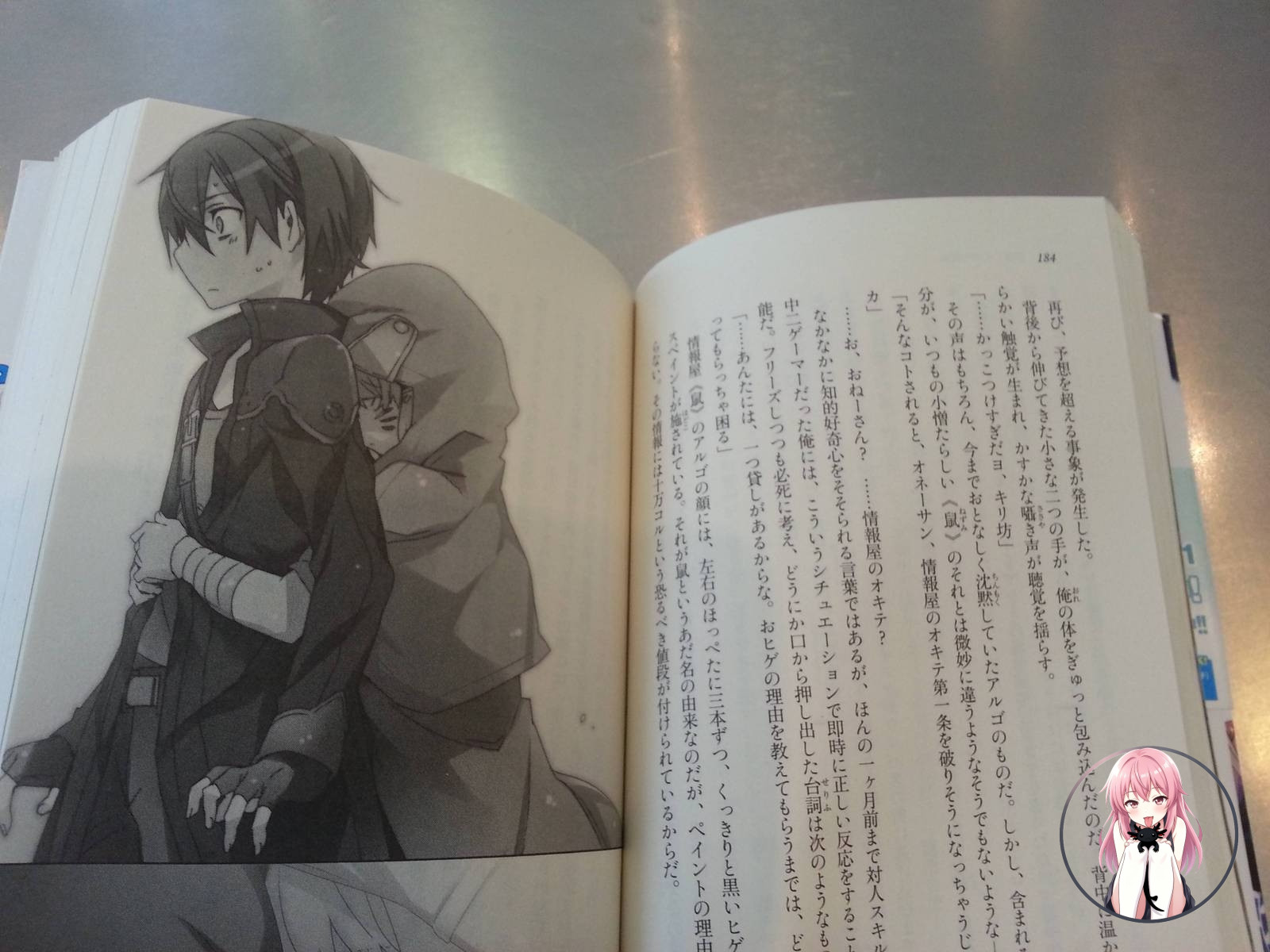
Light novels (from English light novel) are a special type of Japanese popular literature primarily aimed at young people. In Japan, these books are published in massive print runs, and the most popular anime series are based on their plots.
Below is a detailed analysis of this phenomenon: from its history to key differences from Western books.
History of Appearance: How This Format Originated
The roots of light novels trace back to Japanese science fiction magazines and so-called “pulp fiction” of the 1970s. Publishers were looking for ways to attract teenagers to books at a time when youth were increasingly switching to manga and video games.
1970s–1980s: The first stories with illustrations in anime style appear (for example, “Vampire Hunter D”).
1990s: The legendary fantasy “Slayers” is released. It set the modern standards for the genre.
Terminology: The term “light novel” was coined in 1993 by Keita Kamikita, an administrator of a popular online forum about science fiction.
Main Anatomical Features of Light Novels
Light novels can be easily recognized by several fundamental characteristics:
Simplified language (furigana): The Japanese language has thousands of complex characters. In light novels, rare characters are always accompanied by reading aids (furigana). This allows even schoolchildren to read the books.
Anime visualization: The cover is always colorful and bright. Inside, readers can find from 5 to 15 black-and-white glossy illustrations that depict key scenes or new characters.
Dynamics instead of descriptions: There are no three-page descriptions of nature or castle architecture. The text consists of short paragraphs, vivid metaphors, and endless dialogues. For every description of an action, there are three lines of dialogue from the characters.
Pocket format (bunkobon): In Japan, light novels are printed on cheap paper in A6 format (slightly larger than a smartphone). The book is convenient to carry in a school bag or read on the subway with one hand.
Anatomy of the Plot: What Do Authors Write About?
The modern light novel market is strictly segmented by genres and target audiences:
Isekai (Reincarnation World): The absolute dominant of recent years. The main character (often an ordinary office worker or a hikikomori student) dies under the wheels of a truck or is summoned by a ritual to a parallel fantasy world, where they gain a unique superpower.
LitRPG: The world the hero enters operates according to the laws of video games. The text literally includes tables of characteristics, character levels, health points (HP), and names of magical skills.
Romcom and school life: Stories about first love, school clubs, cynical boys, and popular girls who hide their secrets.
How Light Novels Differ from Manga and Classic Novels
It is important not to confuse these formats, as they are created for completely different viewing and reading experiences.
The difference in basis. Manga is a full-fledged comic where 90% of the space is occupied by drawings, and the text is hidden in dialogue bubbles. Light novels are a full-fledged book where text occupies the same 90%, and rare pictures only illustrate key moments. A classic novel, on the other hand, consists almost entirely of continuous text.
The difference in volume. A typical volume of manga or light novel is a small book of 150–300 pages that can be read in a couple of hours. A classic novel is usually much bulkier: it offers 400 pages of small print and requires long, thoughtful reading.
The difference in goals and philosophy. Classic literature focuses on deep psychology, complex descriptions, and hidden subtext. Manga emphasizes visual storytelling and conveying emotions through drawings. Light novels, in turn, are created for pure entertainment, quick immersion in action, and bright, dynamic events.
The Path from Web Novel to Screen
Today, most light novels begin their life as free amateur publications on the Japanese website Shousetsuka ni Narou (“Let’s Become Novelists”).
If the story gains millions of views, a major publishing house (such as Kadokawa) approaches the author. A professional editor helps rewrite the text, and the company hires a well-known artist from the anime industry. Thus, an amateur web novel becomes an official light novel. If the sales of printed books go well, a chain is launched: Light Novel → Manga Adaptation → Anime Series.